

How Weather Impacts Terracotta Planters and What Retailers Should Know
Updated: Sep 14
Terracotta planters have long been a favorite choice for gardeners and plant lovers due to their natural look and breathability. Yet, weather conditions can significantly affect their durability and appearance. For retailers dealing in terracotta planters wholesale, understanding these impacts is essential to provide the best advice to customers and manage inventory wisely. This post explores how different weather elements influence terracotta planters and offers practical insights for retailers handling large terracotta pots, large clay pots, and wholesale flower pots.
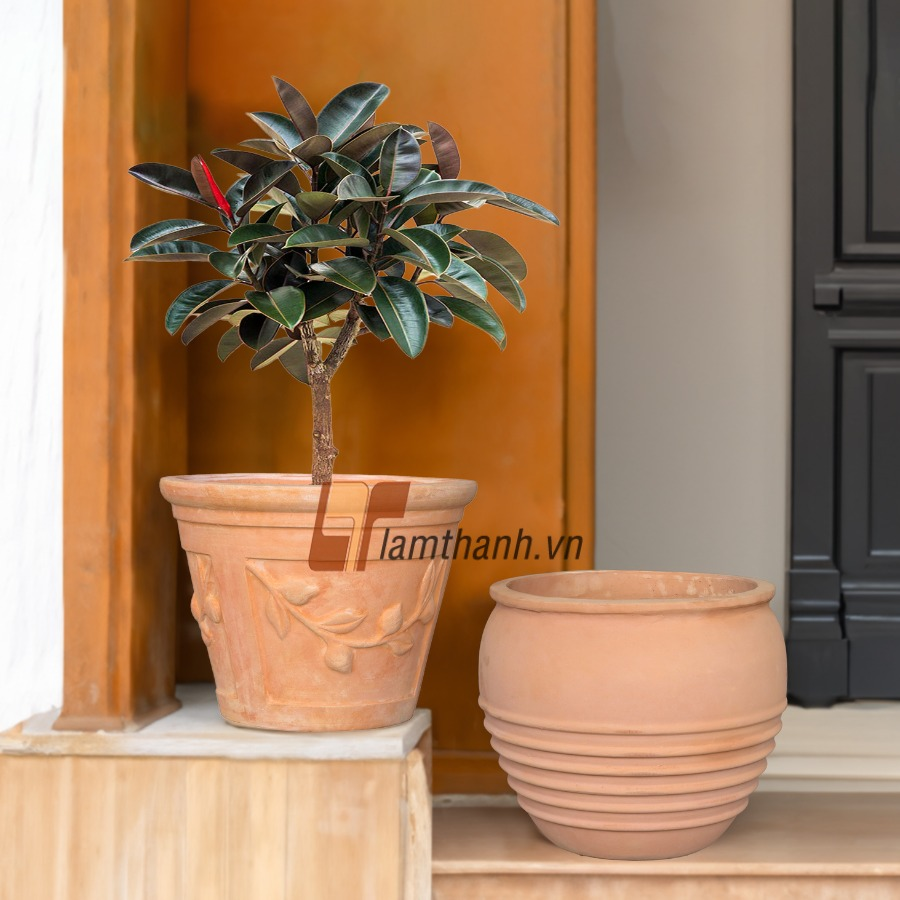
How Weather Affects Terracotta Planters
Terracotta is a porous material made from natural clay, which means it absorbs moisture and reacts to temperature changes. This characteristic makes terracotta planters vulnerable to certain weather conditions.
Moisture and Rain
When exposed to heavy rain or constant moisture, terracotta planters absorb water through their pores. This can lead to several issues:
Cracking in Freezing Temperatures
Water trapped inside the planter expands when it freezes, causing cracks or even breakage. This is a common problem in colder climates during winter months.
Mold and Mildew Growth
Excess moisture can encourage mold or mildew on the surface, which not only affects the planter’s appearance but can also harm plants.
Retailers should advise customers to avoid leaving terracotta planters outside in wet conditions without proper drainage or protection.
Sun and Heat Exposure
Terracotta planters can handle heat well but prolonged exposure to intense sunlight can cause:
Fading and Discoloration
The natural reddish-brown color may fade over time, especially for large terracotta pots placed in direct sunlight.
Drying and Brittleness
Heat can dry out the clay, making it more brittle and prone to chipping or cracking.
Retailers selling wholesale flower pots should recommend placing these pots in shaded or partially shaded areas during peak sun hours to extend their lifespan.
Temperature Fluctuations
Rapid changes in temperature, such as warm days followed by cold nights, can stress terracotta planters. This stress may cause:
Surface Cracks
Small cracks can develop, which might worsen over time if the planter continues to experience temperature swings.
Structural Weakness
Over time, repeated expansion and contraction can weaken the planter’s structure, especially for large clay pots that hold more soil and moisture.
Retailers should educate customers on the importance of moving terracotta planters indoors or to sheltered areas during extreme temperature changes.
What Retailers Should Know When Handling Terracotta Planters Wholesale
Retailers who stock large terracotta pots and wholesale flower pots face unique challenges due to weather-related damage risks. Here are some key points to consider:
Storage and Display
Indoor Storage During Off-Season
Storing terracotta planters indoors during winter or rainy seasons reduces the risk of cracking and moisture damage.
Proper Drainage Setup
Displaying planters with drainage holes and encouraging customers to use saucers or trays can prevent water accumulation.
Avoid Stacking Heavy Pots
Large terracotta pots are fragile and stacking them can cause chips or cracks, especially if the weather has already weakened them.
Customer Education
Provide Care Instructions
Include simple care tips with each purchase, such as how to protect planters from frost or how to clean mold without damaging the clay.
Recommend Protective Products
Suggest sealants or weatherproof coatings designed for terracotta to customers who want extra protection.
Highlight Seasonal Use
Explain that terracotta planters are ideal for spring and summer but may require special care or indoor storage during colder months.
Sourcing and Quality
Choose High-Quality Clay
Higher-quality terracotta tends to be denser and less porous, making it more resistant to weather damage.
Inspect for Flaws
Before selling, check for existing cracks or weak spots that could worsen with weather exposure.
Offer Variety
Stock a range of sizes and styles, including large terracotta pots and large clay pots, to meet different customer needs and environments.
Practical Tips for Customers to Protect Terracotta Planters
Retailers can share these actionable tips with customers to help them maintain their terracotta planters through changing weather:
Use Pot Feet or Risers
Elevate planters slightly to improve drainage and prevent water from pooling underneath.
Bring Planters Indoors During Frost
Move pots inside or to a garage during freezing temperatures to avoid cracking.
Apply a Sealant
Use a breathable sealant to reduce water absorption without trapping moisture inside.
Avoid Overwatering
Excess water increases the risk of damage; ensure soil drains well.
Clean Gently
Use a soft brush and mild soap to remove dirt or mold without damaging the surface.
Final Thoughts for Retailers
Understanding how weather impacts terracotta planters helps retailers manage their stock better and provide valuable advice to customers. By focusing on proper storage, customer education, and quality sourcing, retailers can reduce losses and build trust with buyers. Offering large terracotta pots and wholesale flower pots with clear care instructions will encourage repeat business and satisfied customers.


